







Search Results for: storm power outage
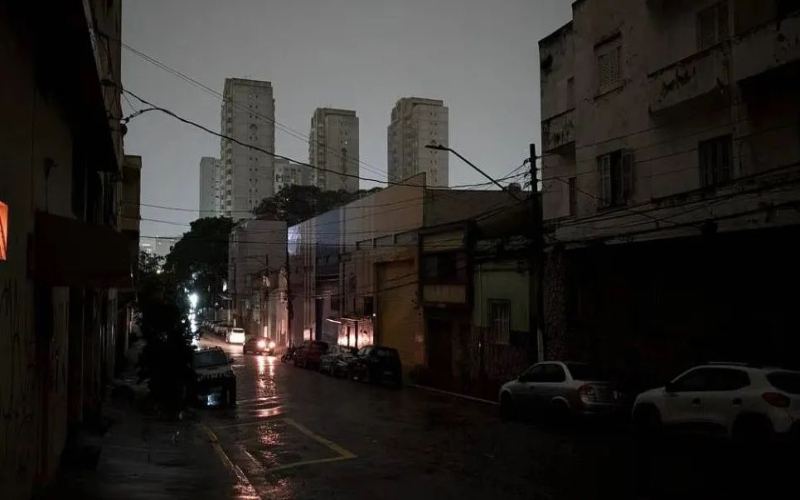
São Paulo State, Brazil Hit by Strongest Storm Since 1995, Coffee Industry and Multiple Sectors Suffer Losses of 1.65 Billion Reais
Brazil's São Paulo state recently suffered its strongest storm since 1995, with wind speeds reaching 107.6 kilometers per hour, causing at least 7 deaths, power outages for more than 3.1 million residential and commercial users, and cumulative economic losses of 1.65 billion reais. This extreme weather not only severely damaged local power supply and industrial production, but also directly harmed coffee trees that were in the flowering stage of the new crop season, leading to a decline in coffee production. At the same time, Brazil's largest coffee-producing region, Minas Gerais, continues to face the threat of drought and high temperatures. The official agency Conab has lowered its production forecast, with total output decreasing by about 4 million bags compared with the previous year. This article will provide a detailed review of the impact of this disaster on Brazil's coffee industry and related economic sectors. [more…]

Severe storm hits São Paulo state, Brazil: Over two million users without power, coffee-growing regions hit again
The state of São Paulo, Brazil, recently endured a violent storm accompanied by historically powerful winds, leaving at least 7 people dead, 2.1 million users without power, and severely disrupting transportation, water supply, and business operations. As an important coffee-producing region in Brazil, São Paulo state has this year been hit in succession by drought, wildfires, and torrential rain, casting a shadow over the prospects for coffee growth in the new crop season. With power slow to be restored, inventory is piling up at processing plants and the risk of port delays is intensifying. Combined with expectations of reduced output in Vietnam and other producing origins, international coffee futures prices continue to run at high levels. This article will review the impact of the disaster, the abnormal climate in the producing region, and the chain reactions for the coffee industry. [more…]
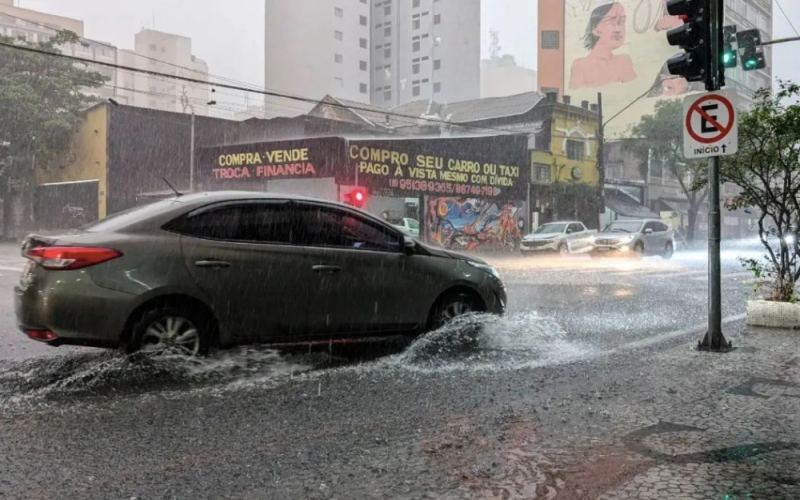
Heavy Rain in Southern Brazil Devastates São Paulo Coffee Region, Flooding Threatens New Crop Yield During Flowering Season
Several states in southern Brazil have recently been hit by severe storms and heavy rain, with São Paulo and Rio de Janeiro states particularly hard hit, causing casualties and widespread power outages. This coincides with the flowering season for Brazilian coffee trees, and excessive rainfall and flooding could wash out farmland and knock coffee flowers off the trees, threatening production for the new season. At the same time, disrupted rainfall patterns in Minas Gerais are making the planting situation even more severe. The storms have also affected logistics and transportation, worsening ship delays at ports. The market is worried that a reduction in Brazilian coffee production will persist, and prices may remain high or even rise further. This article will review the impact of the disaster and the subsequent trajectory of the coffee industry. [more…]
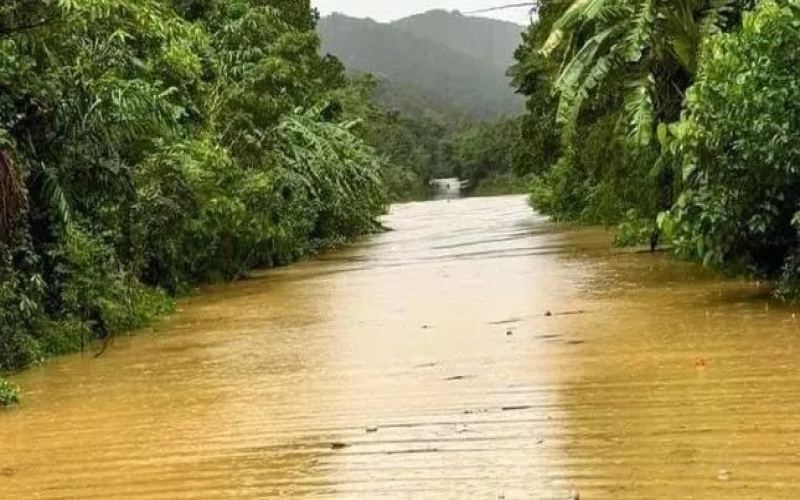
Vietnam Hit by Successive Tropical Storms, Port Congestion Worsens Coffee Export Woes
Central Vietnam was hit by two consecutive tropical storms in September, causing casualties and severe damage to infrastructure. Although the main coffee-growing regions were not directly affected, heavy rainfall has clouded the harvest outlook. More critically, major export hubs such as Haiphong Port and Da Nang were paralyzed by the storms, leaving large numbers of shipping containers backed up and severely disrupting coffee exports. Combined with reduced output caused by drought earlier in the year and steadily climbing domestic spot prices, the supply difficulties facing Vietnam—the world's second-largest coffee producer—are driving up international robusta futures prices. Front Street Coffee continues to monitor developments in the producing regions. [more…]

Severe rain warnings in seven Brazilian states spark concerns over new coffee crop yields, coffee futures prices climb again
Brazil's National Institute of Meteorology recently issued storm and heavy rain danger warnings for seven states, including Minas Gerais, São Paulo, and Paraná, with expected rainfall of 50 to 100 millimeters per day and accompanied by strong winds of 60 to 100 kilometers per hour. Rainfall in northern São Paulo state has already accumulated to 90 millimeters, with local areas reaching up to 100 millimeters, and the risk of landslides and flooding has prompted the warning center to issue a yellow alert. Although no serious economic losses have been reported so far, the market is widely concerned that this round of severe weather will once again impact Brazil's new coffee crop production. The severe drought and forest fires from April to September had already damaged coffee trees during the flowering stage, leading many institutions to lower production forecasts and drive up coffee prices. This article will review key information such as Brazil's recent weather conditions, coffee futures trends, exchange rate impacts, and traders' credit risks. [more…]

Torrential Rain Hits Shenzhen Coffee Festival: Stalls Leak, Power Out, Sewage Backs Up, Event Forced to Halt and Extended by One Day as Compensation
During the May Day holiday, Guangdong was hit by severe convective weather, and the site of the Shenzhen coffee festival descended into chaos under the onslaught of torrential rain. Leaking canopies over temporary stalls, sudden power outages on site, and yellow sewage gushing from drainage outlets—a triple blow that caught vendors and visitors off guard. Although the organizers and the mall carried out emergency repairs afterward, the incident still exposed the shortcomings of outdoor events in responding to extreme weather. This article reconstructs the course of events and brings the latest news on compensation for the event's postponement. For friends who love coffee culture, Front Street Coffee will also continue to follow such industry developments and bring more on-site reports. [more…]
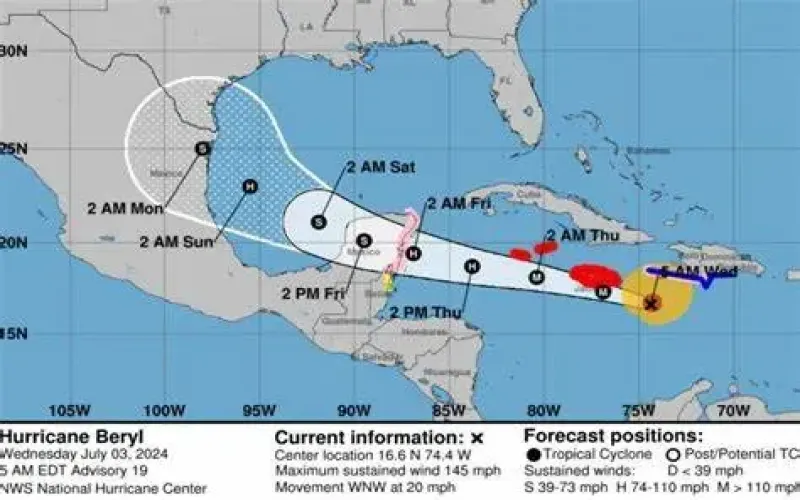
The Atlantic hurricane season is unusually active, and coffee-producing regions in Central America face a dual test of output and exports.
The 2024 Atlantic hurricane season was predicted by NOAA to be "extraordinary," with risk reaching up to three times the usual level. The first hurricane of the season, Beryl, intensified to Category 5 in July, devastating the Caribbean region, with the coffee industries of Jamaica, Haiti, the Dominican Republic, and other areas facing direct threats. Although Mexico's main coffee-producing regions are located in the south and the hurricane's path skewed northward, infrastructure damage and shipping disruptions could still indirectly affect the entire Central American coffee supply chain. Looking back at the devastation caused by Eta and Iota in 2020, the impact of hurricane season on the coffee flowering and harvest periods is especially lethal and may further exacerbate fluctuations in international coffee prices. [more…]

Microsoft system outage hits Starbucks stores worldwide, cashiers disrupted as staff resort to handwritten cups and even free drinks
A global digital accident triggered by a Microsoft 365 service outage caused devices running Windows systems to collectively display the "blue screen of death," paralyzing multiple industries including aviation, finance, and education. As a well-known brand affected, Starbucks saw its point-of-sale systems fail in a large number of stores across the United States and Canada, forcing mobile ordering and payment functions to be suspended, with some stores even closing outright or offering customers free drinks. Some Starbucks stores in China were likewise not spared, as computer failures forced staff to return to the "handwritten cup era," manually marking requests after orders were placed through Feikua. Microsoft later announced that the root problem had been fixed, but residual effects continued. This article reviews the specific impact of the incident on Starbucks and how stores responded. [more…]

Good Me's Collab with Honkai: Star Rail: Merch Shortage Storm—Million-Deep Queues, Stores Sold Out in Seconds, and the Restock Dilemma
The collaboration between Goodme and Honkai: Star Rail was supposed to be a fan frenzy, but it turned into a reputational crisis due to severe merchandise shortages. On the first day of the event, the official mini-program queue exceeded 1.2 million people, stores in many locations sold out within 3 hours, and high-priced complete merchandise sets appeared on second-hand platforms. Although the brand claimed to have prepared "the largest inventory in history," compared with the previous Love and Deepspace collaboration, whose stock was only one-third of this amount, it clearly underestimated players' purchasing power. What dissatisfied fans even more was that many stores explicitly stated they would not restock, causing the collaboration to end early. This imbalance between traffic and reputation sounded a warning for co-branded marketing in the coffee and tea beverage industry. [more…]
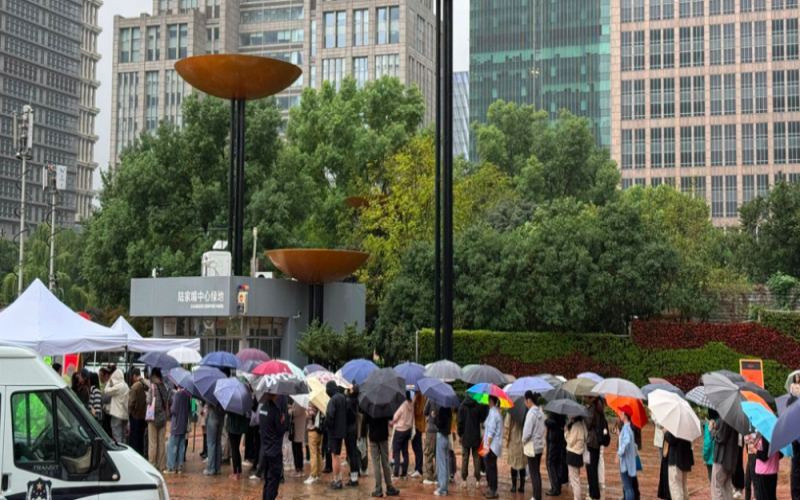
Shanghai Coffee Festival Hit by Torrential Rain: Muddy Open-Air Venue and Inadequate Emergency Preparations Spark Controversy
Recently, a coffee festival held on the grassy grounds of Lujiazui in Shanghai was hit by a sudden heavy rain, plunging what was originally a lively autumn event into a sorry mess. The rain turned the lawn into mud, some stalls leaked and lost power, and visitors struggled through the wet, slippery mud, greatly diminishing the experience. Although weather forecasts had already warned of rain over the weekend, the organizers appeared to have made inadequate preparations, sparking dissatisfaction among many participants. Still, some optimistic coffee lovers found a different kind of fun in it, even joking that they got to drink coffee with a "built-in washed flavor." Below is a detailed report on the incident. [more…]
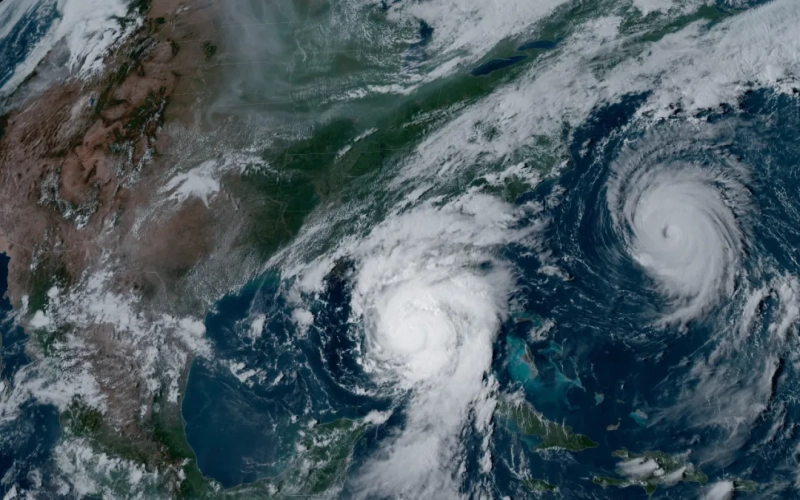
The 2024 Atlantic hurricane season is unusually active, and coffee-producing regions in Central America face dual pressures of reduced yields and exports.
The latest report from the National Oceanic and Atmospheric Administration (NOAA) shows that the 2024 Atlantic hurricane season activity could reach three times the usual level, with an 85% probability of being stronger than normal years. Warm ocean waters, reduced wind shear, and the transition from El Niño to La Niña will combine to spawn more and stronger storms. Multiple coffee-producing countries along the Gulf of Mexico, the Caribbean Sea, and the Atlantic coast—including Mexico, Cuba, Jamaica, Honduras, Nicaragua, Guatemala, and Costa Rica—may all be affected. The strong winds and heavy rain brought by hurricanes not only threaten coffee flowering and harvesting, but may also disrupt shipping, drive up transportation costs, and exacerbate coffee price fluctuations. This article reviews the hurricane season forecast data, the affected producing regions, and the potential impact on the coffee industry, for the reference of coffee enthusiasts. [more…]
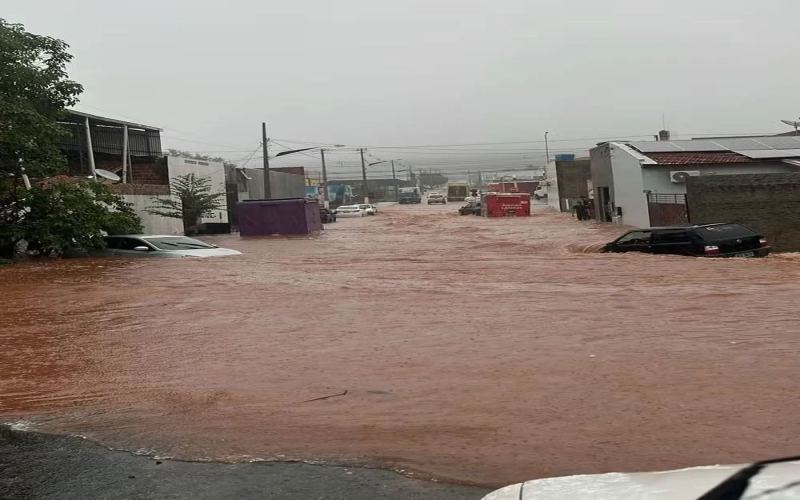
Heavy Rain in Southern Brazil Impacts Coffee Regions, Local Production May Drop by Up to 30%
Central and southern Brazil recently experienced heavy rainfall, with southern Mato Grosso and São Paulo state severely affected, impacting both transportation and power supply. Meanwhile, rainfall in Minas Gerais remains below the historical average, and the worst drought and wildfires in nearly 70 years have already caused deep damage to coffee cultivation. Although concentrated flowering occurred in October, whether the flowers will develop into fruit remains to be seen in December. Multiple institutions expect coffee production in the most severely affected areas to decline by 20% to 30%, with the potential of both the 2024/25 and 2025/26 crop years affected. [more…]

From Venezuelan Knockoff Shops to American University Campuses: A Full Analysis of Starbucks Coffee Service and the Knockoff Phenomenon
At the end of 2021, a counterfeit Starbucks appeared in Caracas, Venezuela, with a logo highly similar to the real one, sparking widespread discussion. Now, a similar logo has appeared on the campus of Glenville State University in West Virginia, USA. Is this the spread of counterfeit behavior, or is there another story behind it? This article will help you clarify the essential difference between "We Proudly Serve Starbucks" and counterfeit Starbucks, and review the whole story of the counterfeit store in Venezuela. At the same time, we continue to follow coffee industry trends, and at the end of the article, we have included contact information for Front Street Coffee; coffee enthusiasts are welcome to join the discussion. [more…]

Guming's free-order event mini-program crashed for nearly half an hour, and the user experience of grabbing coupons sparked a flood of complaints.
Tea beverage brand Gu Ming recently launched a 9.9 yuan milk tea unlimited drinking promotion, and starting today, it is distributing 500,000 free vouchers at scheduled times through its mini-program, adding momentum to the campaign. However, after a large number of consumers entered the activity page right at 12 o'clock, they encountered long periods of blank screens and crashes in the mini-program, and related topics once topped the trending searches. According to user feedback, the mini-program had already begun lagging a few minutes before the event started, and after 12 o'clock the server went down for nearly half an hour due to a sudden influx of a large number of requests; even repeatedly refreshing or switching to the computer version made it difficult to load. This is not the first time Gu Ming's mini-program has had problems during popular activities. Long-time users said that previous limited-time activities such as buy-one-get-one-free also often encountered interface crashes, and although they reported poor experiences many times, no obvious improvement was seen. [more…]
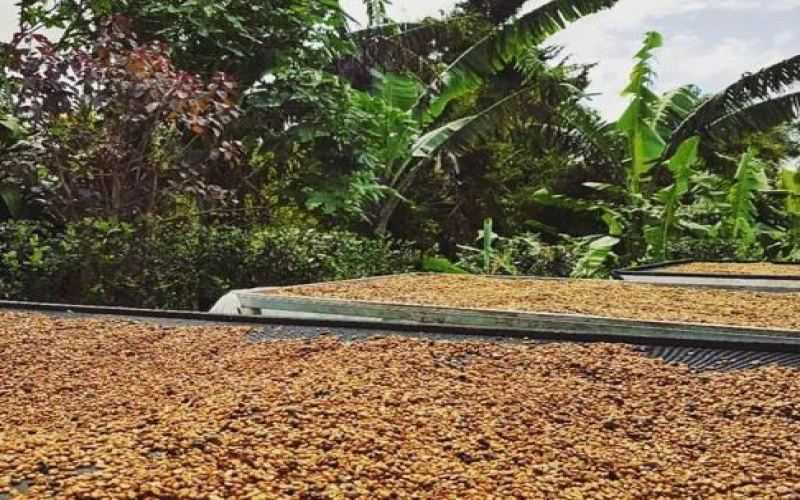
Tracing the Origins of Costa Rican Honey Processing: From Brazil Pulped Natural to Tarrazú La Labrador Estate Geisha Analysis
Costa Rican coffee is famous for honey processing, but honey processing does not mean adding honey—it is a method that retains the mucilage layer. Its predecessor was Brazil's pulped natural process, which Costa Rica borrowed, improved, and brought to prominence. This article systematically traces the development and flavor characteristics of Costa Rican honey processing, from the origins of honey processing, the invention of the mucilage remover, its promotion after the 2008 earthquake, and the subdivision into black, red, yellow, and white honey, to Front Street Coffee's introduction of the honey-processed Geisha from Finca San Isidro Labrador in the Tarrazú region, giving you an in-depth understanding of the ins and outs of this processing method. [more…]
How is honey processing different from natural and washed processing? And what exactly is raisin honey processing?
Many people, upon first hearing "honey processing," mistakenly assume that coffee beans are fermented with honey. In fact, it is a processing method that falls between natural (dry) and washed processing. Later, the honey processing family gave rise to a new variant known as "raisin honey processing." In this article, Front Street Coffee will guide you through the core differences between honey processing, natural processing, and washed processing, revisit the origin story of honey processing, and analyze the characteristics of white honey, yellow honey, red honey, and black honey one by one. Finally, we will compare the similarities and differences between Brazil's "raisin processing method" and Costa Rica's "raisin honey processing," helping coffee enthusiasts gain a comprehensive understanding of the ins and outs of these processing methods. [more…]

Why Is Honey Processing So Popular in Costa Rica? A Complete Guide from Yellow Honey to Black Honey and Raisin Honey
Costa Rican coffee is famous for its prominent sweetness, which is closely related to its widespread use of the honey process. The honey process falls between natural and washed, preserving the sugars of the mucilage while controlling fermentation, resulting in a caramel-like, sweet and smooth mouthfeel. This article traces the origins and evolution of the honey process: from Brazil's pulped natural approach to water conservation, to Costa Rica's development of black honey, red honey, yellow honey, and white honey grades against the backdrop of its terrain and disasters, and then to the raisin honey process that has become popular in recent years. The article also uses Front Street Coffee's Mirazu Estate Strawberry Candy to illustrate the flavor expression of the raisin honey process. [more…]

The Origin and Flavor Characteristics of Costa Rican Honey-Processed Coffee: A Complete Analysis from Naming Origins to Brewing Parameters
When it comes to coffees with pronounced sweetness, natural and honey processing are often the first two methods that come to mind. Front Street Coffee's bean list always keeps at least one honey-processed coffee, and the recently launched Colombia Finca La Esperanza Geisha is honey-processed, with intense rose aromatics and extremely high sweetness. What exactly does the "honey" in honey processing refer to? Why is it so strikingly sweet? This has to start with the evolution of processing methods in Costa Rica. This article will sort out the origin of the name honey processing, its timeline of origin, and the logic of its color classification, and include Front Street Coffee's practical brewing parameters for this Geisha, to give you a comprehensive understanding of the flavor code of this processing method. [more…]
Why Does Costa Rican Honey-Processed Coffee Have Such Prominent Sweetness? Front Street Coffee Geisha Pour-Over Parameters and Flavor Analysis
Honey-processed coffee always impresses with its pronounced sweetness. This processing method originated in Costa Rica, and the "honey" in its name does not refer to added honey, but to the mucilage layer retained on the surface of the green beans. This article starts with Front Street Coffee's Colombia La Esperanza Estate Geisha, sorting out the historical context, color classification, and flavor logic of honey processing, and fully presents Front Street's V60 three-pour brewing recipe, including dose, grind, water temperature, and pouring rhythm, helping coffee lovers understand why honey processing can deliver a full, juicy mouthfeel and a long, sweet finish while saving water and being environmentally friendly. [more…]
The Origin and Evolution of Costa Rican Honey Processing, with a Detailed Guide to Front Street Coffee Geisha Pour-Over Brewing
Why is honey-processed coffee exceptionally sweet? This question has surely lingered in the minds of many coffee enthusiasts. This article begins with Front Street's Colombia · Hope Estate Geisha coffee, tracing the origins and evolution of the honey processing method in Costa Rica, explaining the true meaning of the word "honey," sorting out the logic behind different names such as black honey, red honey, yellow honey, and white honey, and documenting in detail Front Street's complete pour-over parameters and steps for brewing this honey-processed Geisha, guiding you to a comprehensive understanding of this processing method that combines environmental friendliness with flavor advantages. [more…]